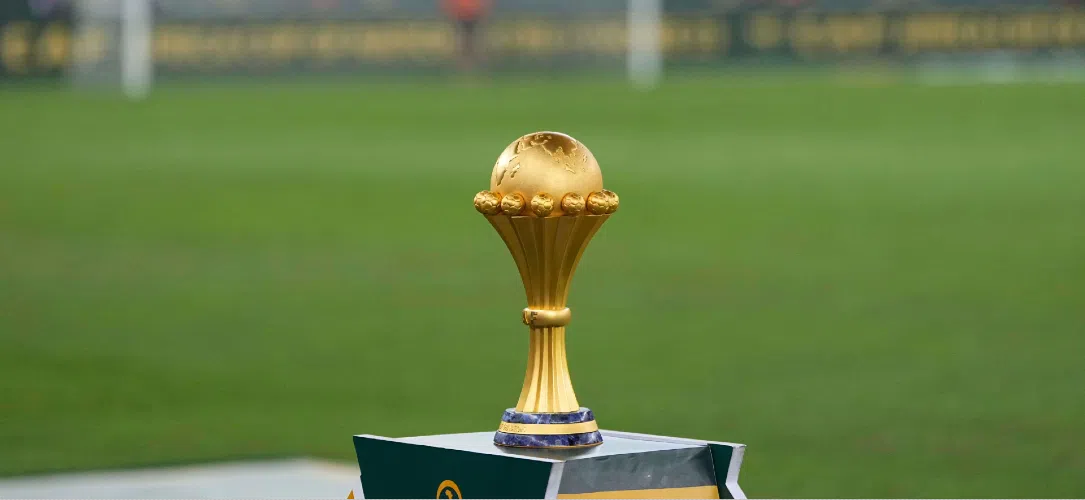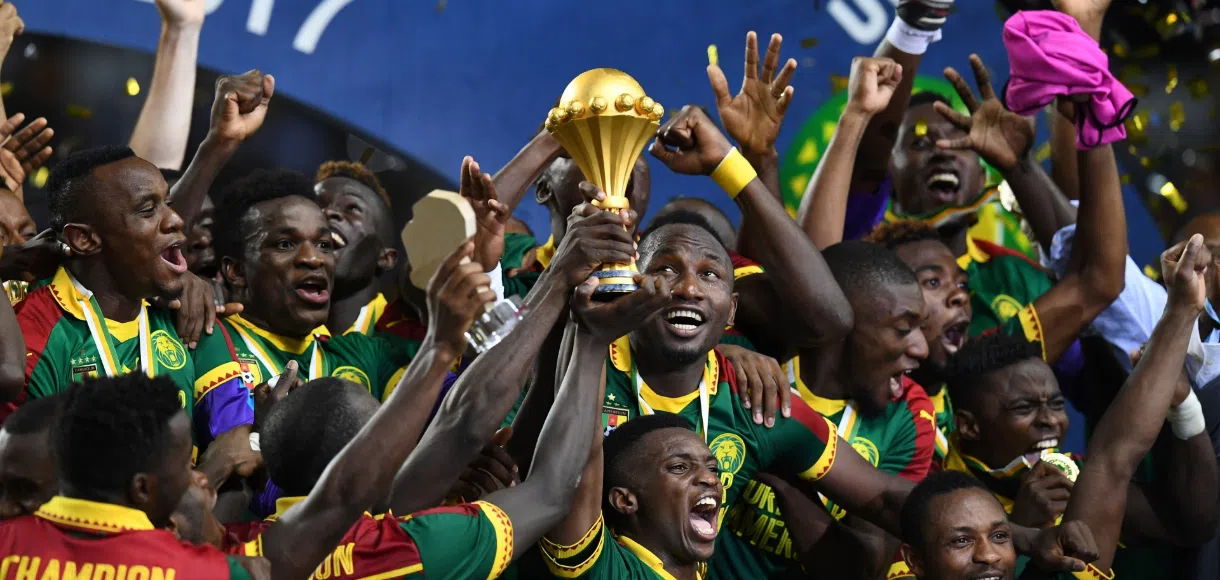




To celebrate the 2019 African Cup of Nations, our combined side remembers the continent’s greatest imports of all time.


Richard Kingson (Ghana)

Described as a “waste of space” in 2008 by Birmingham City co-chairman David Sullivan following the club’s relegation, Kingson gets in as the only goalkeeper to have played in both the Premier League and African Cup of Nations.
He enjoyed a fine international career, though, and nine years ago was voted as the tournament’s second-best stopper after Ghana finished third.
Lauren (Cameroon)

Lauren only made 24 appearances for Cameroon, winning back-to-back AFCONs in 2000 and 2002 before retiring from international football at 25.
That decision can be considered a worthwhile one, though: he claimed two Premier League titles and three FA Cups at Arsenal before lifting the world’s oldest domestic cup competition with Portsmouth in 2008.
The right-back was also a nonchalant (and excellent) taker of penalties, and is on spot-kick duties in this side.
Kolo Toure (Ivory Coast)

Before becoming the figure of fun he is today, Kolo enjoyed an excellent career.
The Ivorian was integral in Arsenal’s Invincibles side – a remarkable triumph that was sandwiched between two FA Cups.
He lifted the old pot again at Manchester City in 2011, before winning his second Premier League title a year later.
And having made his international debut in 2000, Kolo ended his esteemed international career by netting from the spot as the Elephants won the 2015 AFCON on penalties.
Lucas Radebe (South Africa)

Radebe was part of the South Africa side that won the nation’s first – and only – AFCON in 1996.
He also captained Leeds United with distinction, so much so that local band Kaiser Chiefs named themselves after Radebe’s first club.
If that isn’t a glowing enough endorsement – and it probably isn’t – then Nelson Mandela described him as “my hero” following his displays for Bafana Bafana at the 1998 and 2002 World Cups.
That character reference ensures Radebe captains this team.
Taribo West (Nigeria)

Selecting West partly because he was a brilliant free transfer on Championship Manager 01/02 is indulgent, but justifiable.
The Nigerian spent just six months in the Premier League, joining strugglers Derby County on loan from Inter Milan in November 2000.
West was outstanding, though, helping the Rams accumulate 31 points from his 18 matches to avoid relegation.
“He said he’d come to save Derby, which he did,” said then-manager Jim Smith in 2002.
Apt considering West is now a pastor.
Peter Ndlovu (Zimbabwe)

Ndlovu was the first ever African footballer to play in the Premier League, which is the primary reason he’s in this team. He also offers some much-needed width.
‘Nuddy’ was a popular and talented player with Coventry City in the early nineties, but it was his 100-cap international career that defines him.
Having come within 11 minutes of leading Zimbabwe to their first ever AFCON, Ndlovu finally represented his country at a major championship more than a decade later in 2004.
And even though the Warriors finished bottom of their group, Ndlovu did manage to score three times.
Marc-Vivien Foe (Cameroon)

Forty-five days after scoring Manchester City’s last ever goal at Maine Road, Foe died of an undetected heart condition while representing Cameroon in the semi-finals of the 2003 Confederations Cup.
It was an unspeakable tragedy that shocked football.
City retired Foe’s No. 23 shirt – a fitting tribute to the popular midfielder who had netted a credible nine league goals from midfield.
The Indomitable Lions, meanwhile, have not won a trophy since the two-time AFCON winner’s life was devastatingly cut short.
Yaya Toure (Ivory Coast)

Yaya is a four-time African Footballer of the Year and one of the world’s greatest ever midfielders.
Having won seven major honours at Barcelona – including the Champions League – the Ivorian continued his serial success at Manchester City, lifting two titles, two League Cups and one FA Cup since joining the club in 2010.
And after being an AFCON runner-up in 2006 and 2012, Yaya finally captured the international honour his brilliant career deserved in 2015, captaining the Elephants to the title alongside brother Kolo.
Jay-Jay Okocha (Nigeria)

“So good they named him twice” was Bolton supporters’ assessment of Okocha, who scored the goal of the season – a brilliant solo effort against West Ham – and helped the club avoid relegation in the 2002/03 season.
The playmaker enjoyed success with the Super Eagles, too, winning the AFCON in 1994 before claiming Olympic gold two years later.
A brilliant technician whose rainbow flick memorably adorned the credits to the SoccerAM feature, Showboat, Okocha is this team’s chief creator (albeit from the left-hand side).
Didier Drogba (Ivory Coast)

Drogba had retired from international football by the time his contemporaries won the AFCON in 2015.
That was cruel given that he missed crucial penalties both times the Elephants finished as runners-up, in 2006 and 2012 respectively.
His contribution to his country – which transcended the pitch – and his starring role in winning four Premier League titles, four League Cups, three FA Cups and a Champions League with Chelsea, however, means he is an automatic pick.
A legend of the game.
Nwankwo Kanu (Nigeria)

“They call me king – I have to deliver,” said Kanu after winning the 2008 FA Cup for Portsmouth.
The Nigerian was never the Premier League’s best striker – although he did win two titles and two FA Cups at Arsenal – but he often punctuated matches with brilliant moments.
His deft back-heeled finish against Middlesbrough in 1999 was for a long time dubbed ‘the Kanu’, while his impossible finish against Chelsea later in the year completed one of the Premier League’s greatest hat-tricks.
And while he never won the AFCON – finishing as runners-up in 2000 represented his best finish – winning Olympic gold in 1996 ensured Kanu’s international career will forever be remembered as a success.
Visit Betway’s football betting page.