



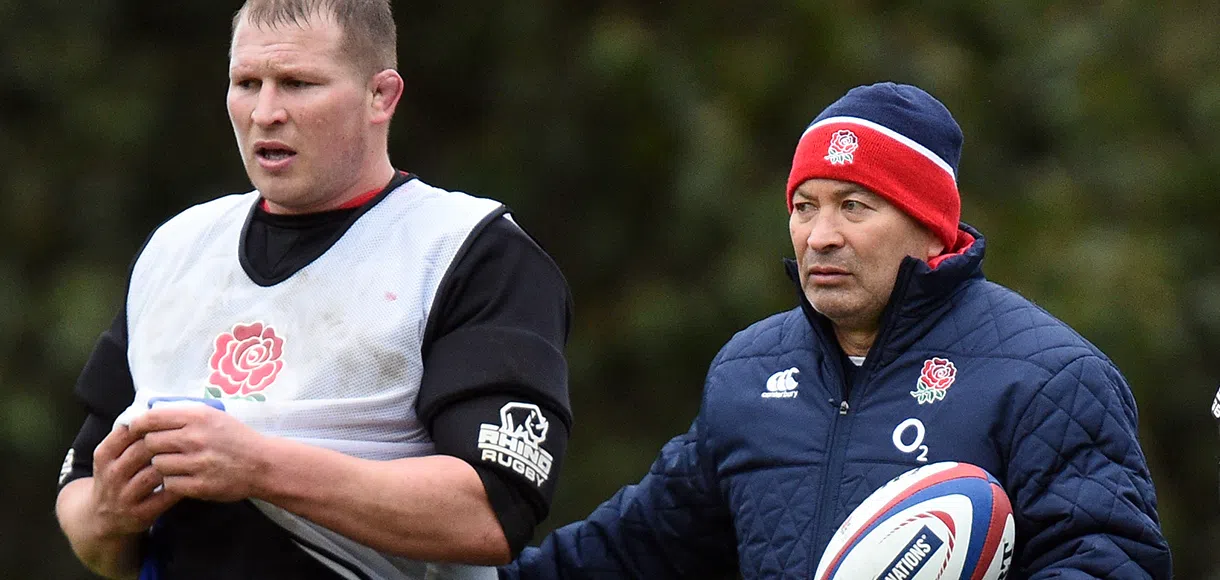
The transformation under Eddie Jones so far has been off the pitch - only victory against Wales will prove the merits of his methods on it
If the jury remains out on quite how drastic England’s transformation under new coach Eddie Jones has been, then this weekend will see the emphatic delivery of the verdict.
Throughout the Six Nations, the Australian has made frequent references to “New England” in an attempt to add to the sense of a fresh start under his stewardship.
In many ways, he is right.
The installation of bad boy Dylan Hartley in place of the mild-mannered Chris Robshaw as captain was an unapologetic statement of his intent to change the side’s mentality.
A string of provocative press conferences since have only proven his determination to get under the skin of opponents.
Even when under a self-imposed media ban ahead of this weekend’s showdown against Wales, Jones could not resist a few incendiary references to the “little country” and their “100 per cent illegal” scrum.
Whereas Stuart Lancaster would avoid provoking opposition ire at all costs, Jones is more than happy to give the hornets’ nest a kick and trust his players to swat away the resulting attack.
England’s evolution on the pitch, though, has been much more gradual, with methodical wins over Scotland, Italy and Ireland putting them in control of this year’s championship.
If they are to claim a first Grand Slam since 2003, however, then there is no doubt that the current table-toppers need to add some subtlety to their brute strength.
Encouragingly, Jones has shown more conviction in the players that have got him to this point than his predecessor displayed when taking on Wales last autumn in the World Cup.
Then, Lancaster moved his midfield cornerstone in Brad Barritt to accommodate Sam Burgess at inside centre – hoping that the rugby league star’s extra muscle could help keep Jamie Roberts under wraps.
It was not an entirely unsuccessful ploy given England still led when he was replaced by George Ford with 10 minutes remaining, but it did mean that England had already played the ace up their sleeve as the game ticked into its pivotal phase.

But even with Warren Gatland promising not to disappoint the more lightweight Ford by sending Roberts constantly charging up his channel, Jones has kept the faith in his midfield axis.
The young fly-half is, after all, a player whose ability to decide a game with his high line and flat passing can only come by feeling his way into it rather than being dropped into the middle of the mayhem.
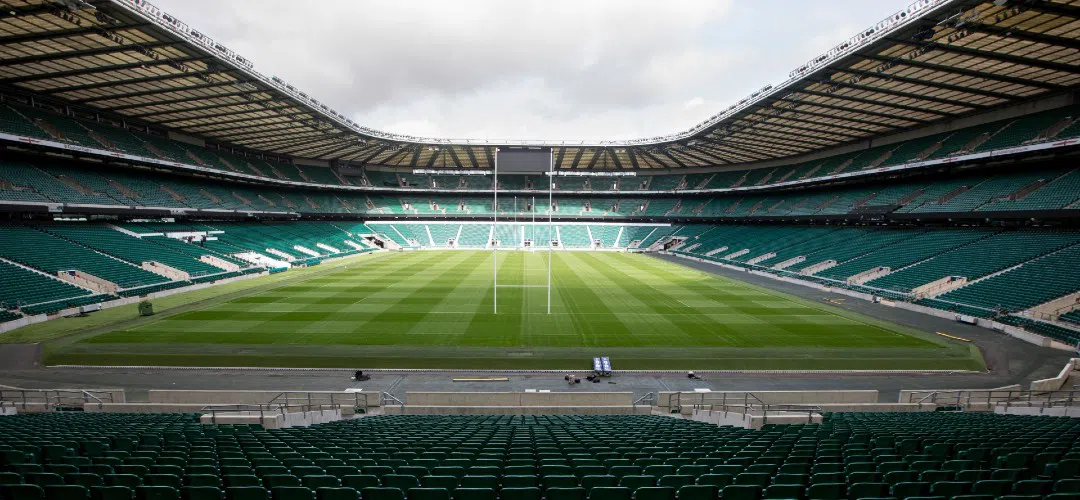
In all three of their losses to Wales at Twickenham since 2008, the hosts have seen leads disappear in the closing stages as the gruelling effects of negating Gatland’s ‘Warrenball’ tactics finally took their toll.
This time around, Jones has chosen to keep his own bulldozer Manu Tuilagi – set to make his first appearance since June 2014 – on the bench to unleash later on in order to inspire a second wind.
Given that the centre – another consigned to the naughty step by Staurt Lancaster – has missed more than a year of rugby through injury, it is undoubtedly a gamble.
But then that is Jones’ nature.
England have finished second in the last four Six Nations in a row, as the likeable Lancaster built for a future that ultimately would never come.
Jones knows that he will not be afforded as much patience when it comes to proving the worth of his more polemical methods compared to the more palatable alternative.
Ireland are at their lowest point in recent years, France continue to be in disarray and Scotland are constantly improving.
Jones may still be settling into his new job, but the parameters of possibility for the rest of his tenure will be defined by his ability to prove this weekend that, under his watch,England will be nearly-men no more.
READ: Man v Machine 2.0: Will Scotland help Mike Tindall to make up lost ground in Round 4?
READ: Mike Tindall: England know they owe the nation – and that might prove the difference