



What are 10 of the biggest post-World Cup transfers? Find out some of the most high-profile transfers following a World Cup campaign and how much they cost!
The World Cup is a great opportunity for players to showcase their talents on an international stage. Though the main aim of the tournament is for players to win for their nation, it’s a competition that can boost their club careers. It’s a platform that allows countless footballers to step into the spotlight and potentially earn themselves a transfer to another club.
But what exactly are the biggest post-World Cup transfers in history? Which players have managed to earn themselves record moves to some of Europe’s best teams?
This article will highlight the biggest transfers that have occurred after the World Cup – often following an impressive campaign. Read on to learn more about the top moves following the tournament; or, if you’re backing certain players to perform on the biggest stage, jump straight into the latest World Cup betting odds for all the matches as they unfold.
Overview of the biggest post-World Cup transfers
Below is a table summarising ten of the most high-profile transfers that players have had following a World Cup campaign. To give an idea of what their prices would be today, we’ve accounted for inflation and added what they would cost in 2026 as well (though, it’s worth remembering that football inflation ≠ regular inflation, and in football terms the player would likely be worth much more in today’s money):
Year | Player | Transfer value | 2026 Inflation | Selling club | Buying club |
1986 | Gary Lineker | €3.2m | €10.8m | Everton | Barcelona |
2002 | Ronaldo Nazario | €45m | €74.8m | Inter Milan | Real Madrid |
2006 | Fabio Cannavaro | €7m | €10.7m | Juventus | Real Madrid |
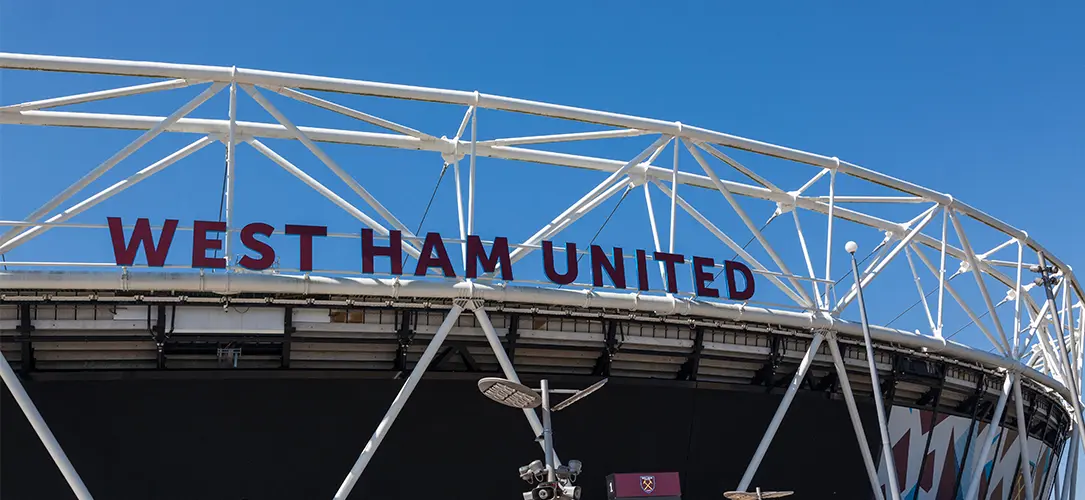
2006 | Javier Mascherano | €14.6m | €22.2m | Corinthians | West Ham |
2010 | Mesut Ozil | €18m | €25.4m | Werder Bremen | Real Madrid |
2010 | Edinson Cavani | €12m | €17m | Palermo | Napoli |
2014 | James Rodriguez | €75m | €99m | Monaco | Real Madrid |
2018 | Harry Maguire | €87m | €110.6m | Leicester | Man United |
2019 | Benjamin Pavard | €35m | €44.5m | Stuttgart | Bayern Munich |
2023 | Enzo Fernandez | €121m | €136.3m | Benfica | Chelsea |
A look back at some of the biggest transfers after the World Cup
Now that you’ve seen the biggest moves following a World Cup tournament, let’s run through each player more in-depth:
Gary Lineker, €3.2m
The first high-profile post-World Cup transfer on this list occurred in 1986, with Gary Lineker making the switch from Everton to Barcelona.
Following his performances at the tournament, which included winning the Golden Boot, Lineker’s profile had been raised. After his hat-trick against Poland, he was the first Englishman to score one in the competition since Geoff Hurst in the 1966 final.
With Barcelona looking for a top striker in the summer, his strong form at the World Cup only increased their interest. They paid what was a hefty fee at the time, securing his signature and completing his move to the Camp Nou. At the time, an Englishman abroad was rare, meaning the World Cup may have made him more globally marketable to teams like Barcelona.
That said, taking into consideration and how much more footballers go for nowadays, Lineker’s fee in 2026 context doesn’t feel very representative of his true quality!
Ronaldo Nazario, €45m
The two-time World Cup winner, Ronaldo, secured a move to Real Madrid in 2002 after a standout campaign. Returning from a serious kneecap injury, the Brazilian managed eight goals in seven games, making for an emphatic comeback to the pitch. Winning the competition in the same year, Ronaldo had an incredibly successful tournament.
Having connections to Real Madrid full-back Roberto Carlos helped his transfer, but Ronaldo said that he’d always wanted to make the move. Combining his desire to play for the club and his elite performances at the World Cup, the transfer from Italy to Spain was complete. Becoming one of the Galacticos, Ronaldo maintained his electric form and had a successful career at the Bernabeu.
Fabio Cannavaro, €7m
The Italian defender won the World Cup in 2006, with his move to Los Blancos occurring following the tournament’s conclusion. Cannavaro was a cornerstone of Italy’s defence, imposing his ability to read the game and helping to secure five clean sheets.
Juventus’ relegation and his performances both contributed to his transfer away from the Serie A. Cannavaro was also an ideal signing for Madrid, as he provided some stability and leadership to their backline. In his three seasons at the club, he won two La Liga titles and he was awarded the Ballon d’Or in 2006.
Javier Mascherano, €14.6m
Finishing in sixth place with Argentina, Mascherano had an impressive World Cup campaign. Starting in all five of Argentina’s fixtures, the midfielder was able to showcase his intelligence on the pitch, with him becoming recognised for his exceptional tackling capabilities.
After his profile was raised, West Ham United signed him to bolster the midfield in a surprise switch. Though he was touted with moves to bigger teams, the transfer to East London was completed, becoming a short-term stepping stone for his career in Europe. His time with the Hammers was short, however, as Mascherano left for Liverpool after only six months and limited game time.
Mesut Ozil, €18m
Ending the 2010 tournament in third-place, Mesut Ozil and Germany had a very good World Cup campaign. After registering four G/A in seven games, Ozil was able to show off his creativity and flair, proving he was a standout performer.
Though he was sought after by many clubs such as Barcelona and Arsenal, he transferred to Real Madrid. He stayed with Los Blancos for three years in what turned out to be a successful move, winning the league, Supercopa, and Copa del Rey.
Edinson Cavani, €12m
Uruguay’s successful semi-final run in South Africa, where they finished in fourth, had Cavani contribute some key moments. With an assist to help his side to a 1-0 win over Mexico and a goal against Germany in the third-place playoff, he stepped up when needed.
Off the back of his campaign, he was transferred to another Italian team and moved from Palermo to Napoli. Scoring twice in his first start, he managed to make an instant impact, continuing his form for years to come. At the club, he won both the Copa Italia and became the league’s top scorer in the 2012/13 season.
James Rodriguez, €75m
One of the more expensive editions on this list is the Colombian attacker, James Rodriguez. Playing for Monaco at the time, Rodriguez managed to win the Golden Boot after scoring six goals in his five appearances.
His performances had him named in the World Cup All Star XI and helped earn him the move to Real Madrid. Considering his market value was only €60m, Madrid technically overpaid off the back of his successful tournament. He did, however, manage to win two Champions Leagues with the club and made an instant impact with 17 goals and 18 assists in his first season.
Harry Maguire, €87m
Another example of perpahs overpaying for a player is Harry Maguire’s move to Man United. The English centre-back was part of England’s successful run to the semi-final against Croatia. He made lots of important contributions across the campaign, both defensively and offensively, such as his goal in the 2-0 win over Sweden in the quarter-final.
Following the tournament’s conclusion, Maguire transferred from Leicester City to Man United and became the most expensive defender in Premier League history. Compared to his market value of €50m, the Red Devils clearly paid an inflated fee.
Since the move was completed, Maguire served as captain of the club for three and a half years and he’s been a regular figure in their team since.
Benjamin Pavard, €35m
Winning the World Cup with France in 2018 massively increased Pavard’s stock and stature in world football. This was due to key moments such as his stunning volley in a 4-3 win over Argentina in the round of 16.
Playing for Stuttgart at the time, he transferred to Bundesliga champions Bayern Munich for a modest fee. With a market value of €30m, the price is relatively justified given the tournament that he’d had. His time at Bayern was undoubtedly a success as he won the Champions League and four Bundesligas.
Enzo Fernandez, €121m
Finally, the most expensive transfer on this list is Enzo Fernandez’s move from Benfica to Chelsea. After performing well in Portugal anyway, his World Cup win with Argentina only elevated his status as one of the most sought-after midfielders.
His move to Chelsea just came right off the back of the December World Cup and cost more than double his market value (€50m). The Blues paid a fee of €67m more than he was worth, making it by far the biggest inflation following a World Cup. This is potentially because they were going through ownership transition and Todd Boehly had an aggressive transfer policy.
Though not setting the world alight since moving, he has been able to win both the UEFA Conference League and the FIFA Club World Cup.
Why can transfer value inflate after a World Cup?
Though not for all players, some of the fees that players go for after a World Cup are astronomical. But why is this the case?
There are several reasons why World Cup campaigns can lead to higher transfer fees, with the first being global visibility. The exposure that players get to billions of viewers and from owners of elite clubs mean that if they shine while on such a huge platform, they’re more likely to get a big transfer.
With the tournament only providing a short sample size (roughly between three to seven matches) and players are often in systems that suit them, clubs can overvalue the form they show. This leads to a potential over-estimation of how well they can perform across a season. After good performances, the selling clubs can also hike up the value if more clubs show an interest, with the potential to start auctions between competing clubs.
Finally, the timing of the World Cup means it’s right before a transfer window. This can lead to panic buying before the deadline, and also is a highly talked about subject as the transfer window is open.
So, considering all this, it’s not a surprise that the fees players go for are often higher than in non-World Cup seasons.