



The two-division format being debated by the ICC would provide context, and place a weight of importance upon each match that doesn't currently exist
Don’t let the bravado of English traditionalists fool you, Test cricket worldwide is drawing its dying breath.
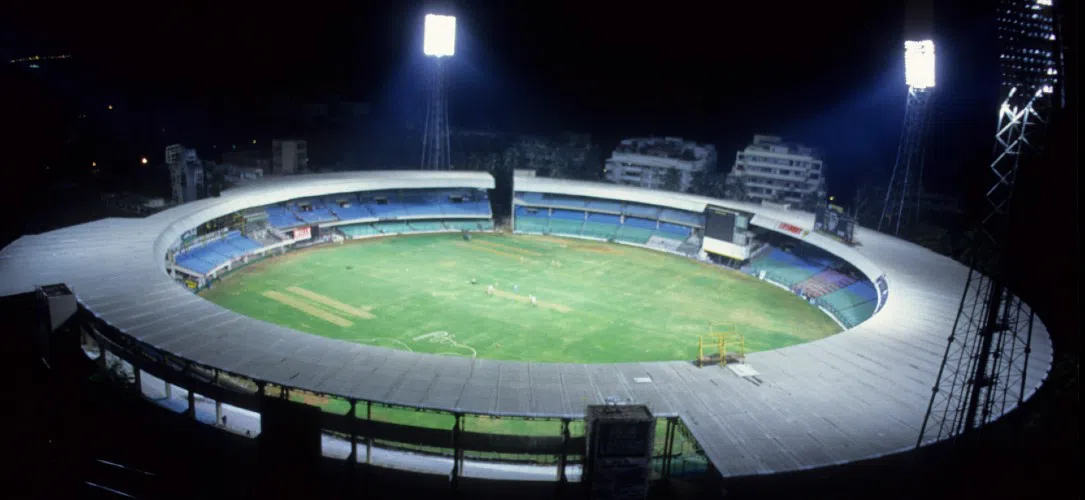
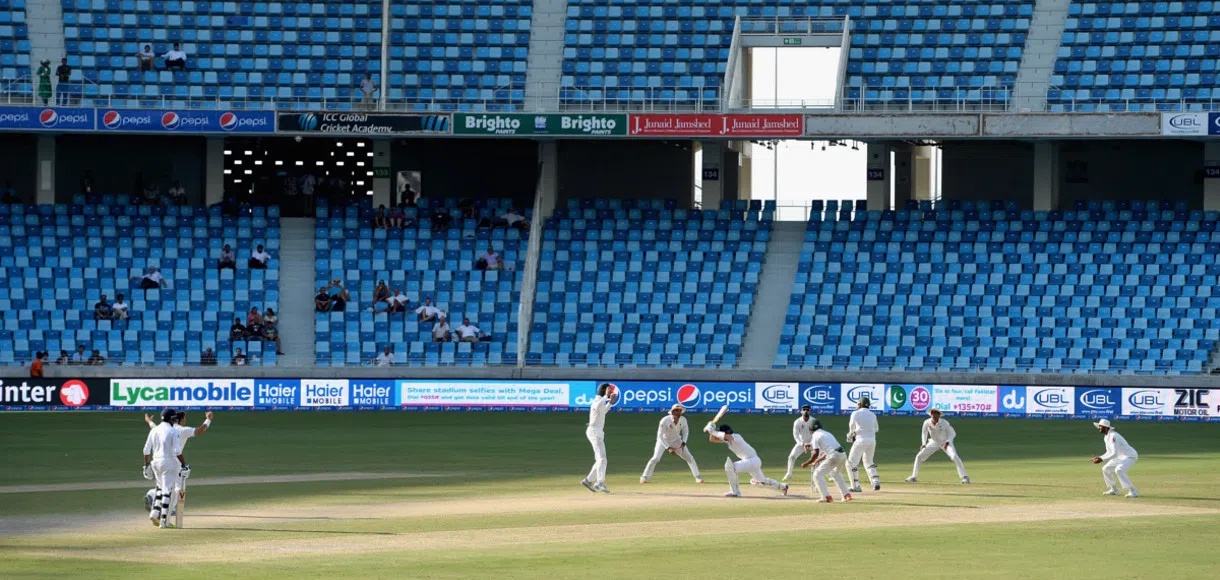
Lord’s may hum a couple of times a year, and the SCG remains an arena enveloped in nostalgia, but attendances are down and interest is diminishing all over the world.
It appears no ICC suits had the foresight to envisage such a situation unfolding.
Twenty20 cricket has gripped the worldwide audience to such an extent that a format that doesn’t lend itself to the ball flying out of the ground every 10 minutes or so alienates most viewers.
Players are treading a similar path, largely for financial gain.
The FICA, which represents the views of players worldwide, has this week called for the removal of “inherent conflict and choice” between international and lucrative domestic T20 cricket.
Involvement in the IPL, scheduled throughout May, leaves touring parties to England underprepared and fatigued.
This summer, Jos Buttler ruled himself out of Test contention, choosing instead to involve himself in the duration of the IPL.
The West Indies will play India in a Test series beginning in three weeks’ time, clashing directly with the Caribbean Premier League (CPL).
Such absurd scheduling results in a tussle for interest of players, fans and broadcasters, and the winner is inevitable.
The ICC’s annual conference this week will deliberate on how to preserve the long-term future of Test cricket.
Throughout its existence, there has been the lack of a tangible prize or context for the vast majority of cricket played.
ICC world rankings are too complicated and, crucially, offer no incentive.
With short, dense and exciting T20 competitions flourishing, all of which fulfil a public thirst for an ultimate victor, Test cricket must follow its lead.
The two-division format on the table would provide context, and place a weight of importance upon each match.
A promotion/relegation system guarantees jeopardy, tension, and relevance until the end.
South Africa take on New Zealand in August, an exciting match-up in its own right, but it would be fascinating if a much more valuable prize was on the line.
Sides which struggle to make much money from Test cricket – Sri Lanka and West Indies run it at a loss – are likely to be in Division Two.
Inevitably revenue will be higher in Division One, but if the ICC controlled all broadcast sales centrally, they could then distribute money in a fairer manner.
If cash-strapped associates such as Afghanistan and Ireland are to be offered a path into this system, as they should be, then that becomes even more vital.
FICA’s concerns must be recognised, too.
A centrally-structured competition would allow for scheduling that takes everybody’s needs into account.
Clear windows can be allocated to domestic T20 tournaments, the Test championship, and international ODI and T20 leagues – the latter pair are both being discussed, too.
This would make for a busy calendar, especially considering that marquee bilateral series – such as the Ashes and Australia v New Zealand – may be organised outside of the structured competition.
But as the ICC would take on full control of the scheduling, they can decide how much cricket is played in each international competition.
They’d do well, too, to consider what has made T20 such a hit, and discuss what can be applied to the Test arena.
The day/night Test experiment got off to an encouraging start in Australia last November, and though conditions dictate that they are not possible everywhere, they should be facilitated where possible.
Other innovations could include making the day out at a Test match more of an event.
Perhaps games or arcades being made available at the ground, or simple innovations at certain venues such as music, fireworks and dancers – the antithesis of tradition, admittedly – at appropriate moments.
As the new-look ICC aims to break away from the ill-fated ‘Big Three’ powerhouse, they have the opportunity this week to rejuvenate the oldest and most legendary form of the game.
It is one they cannot ignore.