




Learn every winner of the World Cup from its first edition in 1930 until its most recent in 2022. Discover the runners-up and which nations have won the most.
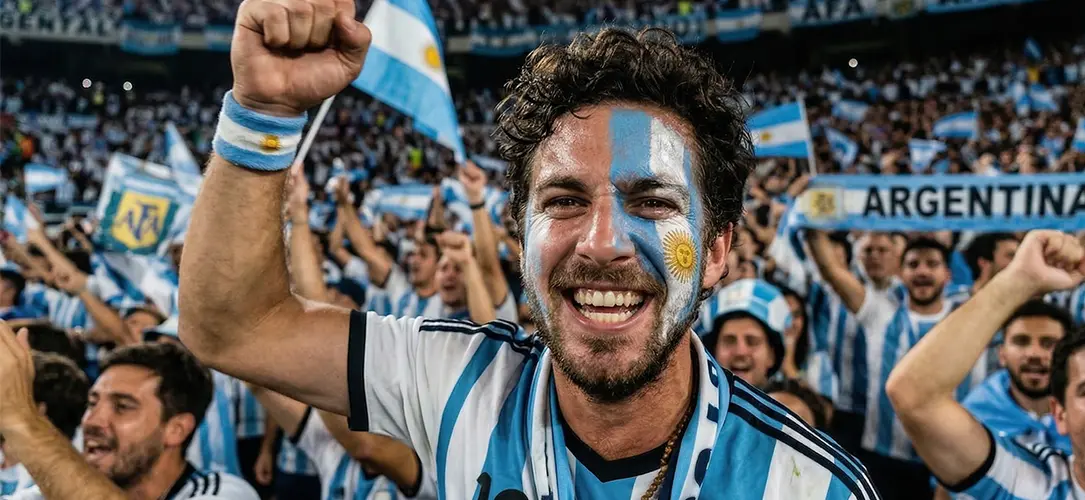
Being the top prize in world football, the World Cup is the most sought-after trophy for players across the globe. Whether it’s Messi’s Argentina most recently, or Pele’s Brazil more historically, there have been many great teams and players who’ve become victorious over the course of its 22 editions.
As the 2026 World Cup approaches, you may be wanting to know about the history of the tournament and learn who its previous victors have been. In this blog, we’ll cover the past winners and runners-up, giving you a full rundown of its historical champions since it began back in 1930.
And as the competition progresses, why not follow how it all unfolds this time around with the latest World Cup betting odds.
World Cup winners list by year
Below is a table that summarises every edition of the World Cup held, showing the winners and the runners-up for every year:
Year | World Cup winner | World Cup runners-up |
1930 | Uruguay | Argentina |
1934 | Italy | Czechoslovakia |
1938 | Italy | Hungary |
No World Cup was held in 1942 or 1946 | ||
1950 | Uruguay | Brazil |
1954 | West Germany | Hungary |
1958 | Brazil | Sweden |
1962 | Brazil | Czechoslovakia |
1966 | England | West Germany |
1970 | Brazil | Italy |
1974 | West Germany | Netherlands |
1978 | Argentina | Netherlands |
1982 | Italy | West Germany |
1986 | Argentina | West Germany |
1990 | West Germany | Argentina |
1994 | Brazil | Italy |
1998 | France | Brazil |
2002 | Brazil | Germany |
2006 | Italy | France |
2010 | Spain | Netherlands |
2014 | Germany | Argentina |
2018 | France | Croatia |
2022 | Argentina | France |
Looking toward the 2026 World Cup, it’ll be interesting to watch who becomes the next tournament winner and see if any new nations can add themselves to the exclusive club!
Which countries have won the World Cup?
Now you’ve seen the chronological list of countries that’ve won the World Cup, let’s condense that into which nations have triumphed in the tournament, and how many times they’ve done it.
Below is a table breaking down every victorious nation at the World Cup:
Team | Number of times won | Years won |
Brazil | 5 | 1958, 1962, 1970, 1994, 2002 |
Germany (West Germany) | 4 | 1954, 1974, 1990, 2014 |
Italy | 4 | 1934, 1938, 1982, 2006 |
Argentina | 3 | 1978, 1986, 2022 |
France | 2 | 1998, 2018 |
Uruguay | 2 | 1930, 1950 |
England | 1 | 1966 |
Spain | 1 | 2010 |
Some nations who are yet to win the tournament could be outsiders heading into the 2026 edition of the World Cup.
For example, the Netherlands have multiple elite players, such as Virgil van Dijk, Tijani Reijnders, and Ryan Gravenberch, meaning they can go toe-to-toe with any nation they could face throughout. Looking at other countries like Portugal, who have stars such as Bruno Fernandes, Rafael Leao, and, of course, Cristiano Ronaldo, they could also potentially become the next World Cup tournament winner too!
World Cup winners FAQs
Which country has won the most World Cups?
The nation with the most World Cups is Brazil. They have a total of five World Cups, winning in 1958, 1962, 1970, 1994, and most recently in 2002.
Which country has won consecutive World Cups?
The only teams to have won consecutive World Cups are Brazil in 1958 and 1962, and Italy in 1934 and 1938. Though some teams like France and West Germany have come close, they just fell short.
How many different teams have won the World Cup?
Currently, there have been eight separate winners of the World Cup, including Brazil, Germany, Italy, Argentina, France, Uruguay, England, and Spain.
Who won the 2022 World Cup?
Argentina were victors of the 2022 World Cup final, winning 4-2 on penalties against France after a thrilling match that ended 3-3.
When did England win the World Cup?
England’s victory in the World Cup came in 1966 on home soil against West Germany where they won the match 4-2.
Which country has made the most final appearances without winning a World Cup?
The Netherlands are the team with the most final appearances without winning the World Cup, after reaching this stage three times.