

What is a bumper race in horse racing? In this guide, we explore why a horse race is called a bumper, when they take place, and why they’re so popular.
For newcomers to the sport, horse racing can feel full of unfamiliar terms and traditions. One phrase that can cause confusion is the ‘bumper race’. You’ll hear it mentioned regularly during the National Hunt season, especially at major meetings, yet the race itself looks very different from what many may expect.
So, what is a bumper race in horse racing, why does it exist, and why do fans get excited about it? This guide breaks it all down into plain terms, from the basics through to why bumpers play such an important role in the sport.
What is a bumper in horse racing?
At its simplest, a bumper in horse racing is a flat race run under National Hunt rules, specifically designed for young or inexperienced jump horses.
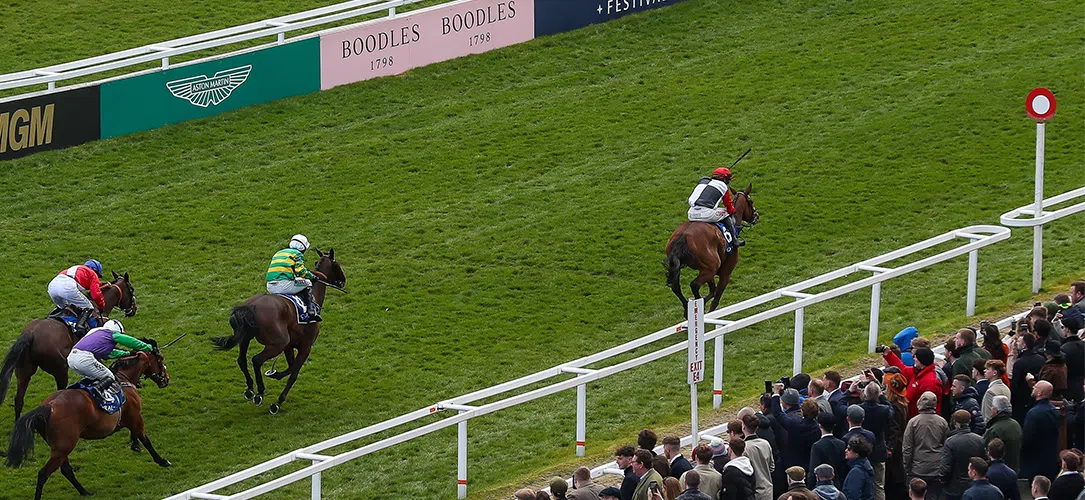
Despite being part of the jump racing programme, there are no obstacles. Horses race on the flat, usually over distances of around two miles, without hurdles or fences. The aim is education rather than spectacle, giving horses valuable experience of race-day conditions before they begin jumping later in their careers.
Due to its format, the meaning of a bumper horse race is primarily preparation. Trainers use these races to teach young horses how to travel in a pack, respond to jockey instructions, cope with race-day atmosphere and build stamina, without the added challenge of jumping. This is why you’ll often hear people talk about bumpers as National Hunt Flat races, which is another way of describing the same thing.
If you’re new to the different racing codes, you can read more about this distinction in our guide to jump racing.
How does a bumper race differ to standard flat racing?
This is where confusion often sets in. If there are no jumps, why aren’t bumpers just normal Flat races? The key difference lies in the type of horse and the rules under which the race is run. While standard Flat racing is governed by Flat Turf or All-Weather rules, bumper races fall under National Hunt regulations.
A horse racing bumper is therefore described as less about the race conditions and more about the horses themselves. Bumper runners are usually young horses being developed for future careers over hurdles or fences. They tend to be stronger and more stamina-focused types, rather than the speedier, lighter-framed horses seen on the Flat.
Other notable differences include:
Purpose: Flat racing focuses on winning now, whereas bumpers focus on gaining experience and increasing long-term potential.
Season: Flat racing peaks in summer and bumpers are mainly run during the jump season.
Jockeys: National Hunt jockeys ride in bumpers, not Flat jockeys.
Race tempo: Bumpers are often run at a steadier pace before quickening later on, reflecting their stamina-building role.
So, while they look similar on the surface, the intent behind them is very different.
When do bumper horse races take place?
Bumper races are most commonly run during the National Hunt season in the UK and Ireland, which broadly runs from autumn through to spring. They appear on cards at a wide range of meetings, from quiet midweek fixtures to the very biggest festivals. You’ll often find them as the opening race of the day, setting the tone and showcasing promising young horses.
In Ireland, bumpers are arguably even more prominent, reflecting the country’s strong tradition of developing elite National Hunt horses from a young age.
Why are bumper races so popular among horse racing fans?
Despite lacking jumps, bumpers have a loyal following, and for good reason.
One major appeal is the thrill of spotting future stars. Many top-class hurdlers and chasers began their careers in bumper races, and fans love the idea seeing them first. There’s a real sense that you’re watching the start of something special.
There’s also an element of unpredictability. With inexperienced horses and limited form to go on, results can be less straightforward than in established handicap races. That uncertainty adds excitement, both for spectators and bettors.
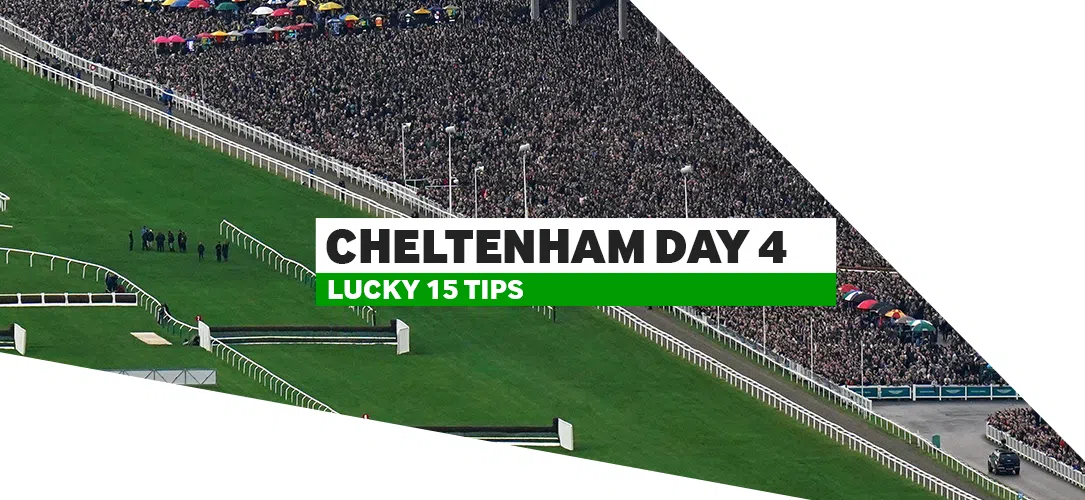
Bumpers are also closely associated with big occasions. They feature prominently at major festivals, including the iconic spring meeting at Cheltenham Festival, where the atmosphere and quality elevate these races beyond their developmental purpose.
All of this contributes to why bumper races are often talked about with genuine enthusiasm rather than being seen as mere novice events.
Which is the most popular bumper horse race?
Without question, the most famous bumper is the Champion Bumper at Cheltenham Festival. This is the championship race for National Hunt Flat horses and represents the pinnacle of bumper racing. Winning it can launch a horse into the spotlight and mark it as one to follow for years to come.
The Champion Bumper has its own rich history, with many winners going on to achieve major success over hurdles and fences. If you’d like to find out more, we’ve created a guide covering when the Champion Bumper at Cheltenham takes place, as well as a rundown of the past winners of the Cheltenham Champion Bumper.
Beyond Cheltenham, there are plenty of other notable bumper races throughout the season. Meetings at tracks such as Punchestown, Aintree, and Fairyhouse often feature high-quality bumpers that attract strong fields and future Grade 1 performers. These races may be lesser known, but they play a crucial role in shaping the next generation of National Hunt stars.
How to bet on horse racing
If you’re interested in betting on bumpers or any type of race, it’s important to understand the basics before getting started. Due to bumper horses being inexperienced, their form can be limited and prices can fluctuate more than in other races. Looking at trainer records, breeding and market confidence can be particularly useful when assessing these events.
For a full step-by-step explanation of how it all works, make sure to read our guide on how to bet on horse racing. You can also view the latest markets and prices directly via our horse racing odds page.
Check out the full racing calendar
You now know what a bumper race is, and how they fit into the wider world of horse racing.
But bumper races are just one part of a packed racing schedule that runs throughout the year in the UK and Ireland. If you want to explore what’s coming up next, from jump racing to the Flat season, Betway’s racing calendars are a great resource:
Whether you’re following bumpers in search of future champions or simply enjoying the excitement of horse racing, understanding how these races fit into the wider picture makes the experience even more rewarding.