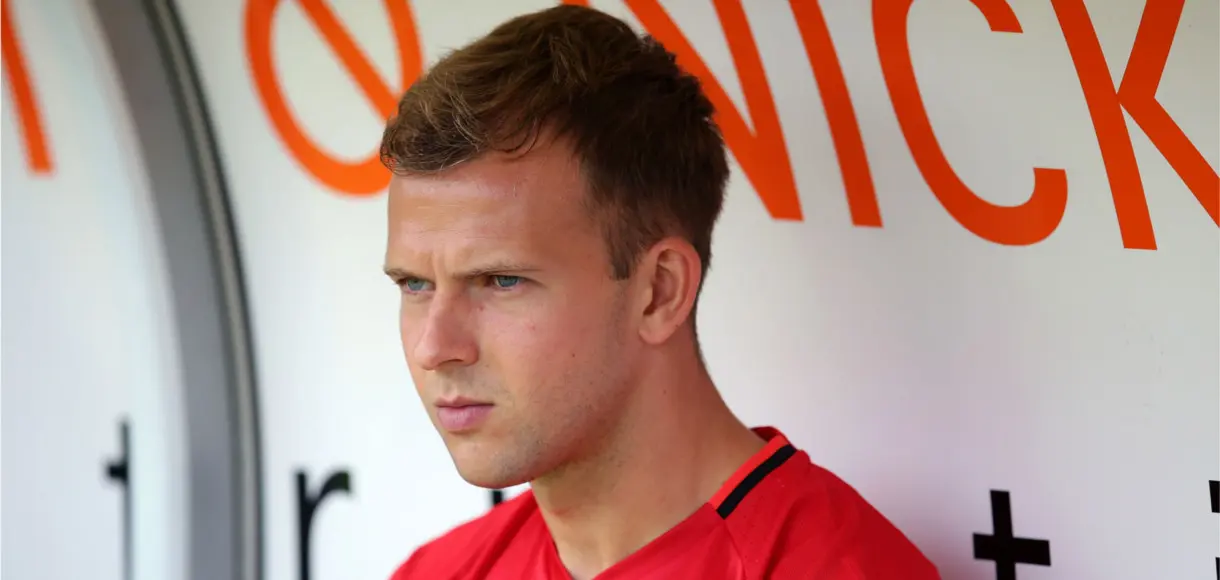
The Boro striker has had a difficult debut season in the top flight, and here are the stats that explain why...
Strikers struggling to rediscover the form that made their name lower down the divisions in the Premier League is a common occurrence.
Just look at the case of Jordan Rhodes.
Prior to this season, he had scored at least 16 league goals in each of the past five years, including a career-best tally of 36 for Huddersfield in 2011/12.
Yet having finally made it to the top flight, this time around he is yet to get off the mark.
His attempted transition from the Championship has been a testing ordeal and, with the January transfer window fast approaching, a move back down the pyramid is looking ever more likely.
But why has the former Football League record signing gone from being one of the most-feared frontmen around to suddenly finding himself surplus to requirements?
Superseded by big-name signings
As is to be expected of newly-promoted sides, Middlesbrough strengthened heavily over the summer.
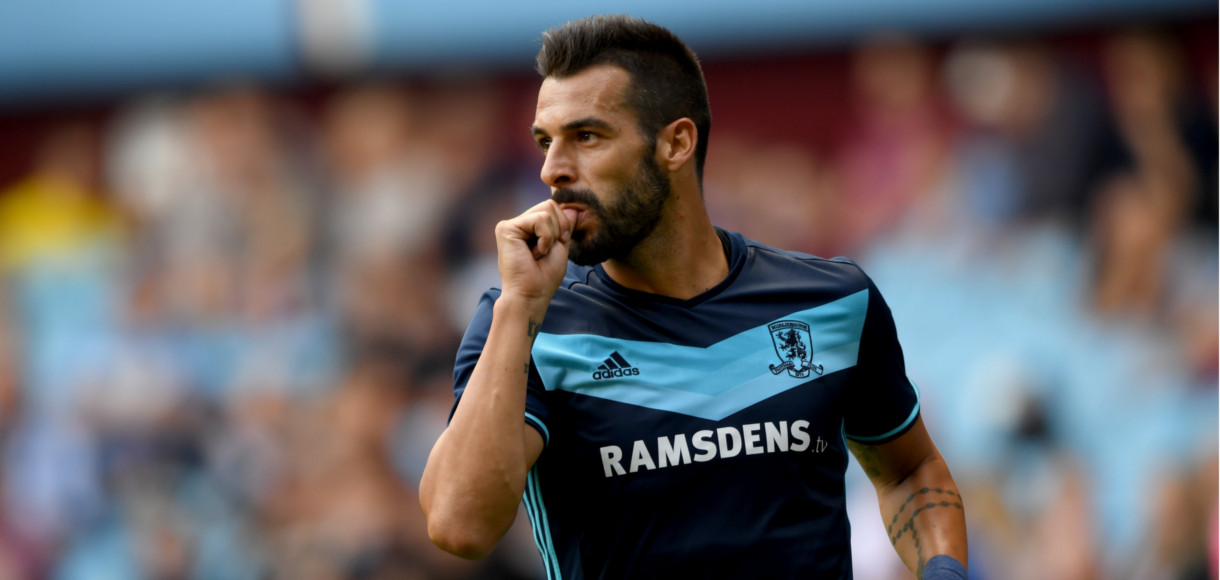
Big-name arrivals such as Alvaro Negredo and Viktor Fischer have made it difficult for Rhodes to compete at the Riverside.
Negredo, remember, won the Premier League title with Manchester City in 2013/14 after scoring 23 goals, while Fischer netted 10 times for Eredivisie runners-up Ajax last year.
It is no surprise, then, that the Scot’s playing time has suffered – featuring in just six of Boro’s 16 league matches this season and only starting twice.
That represents a sharp decline from last season, when the 26-year-old was a regular feature in the team – playing a part in 18 of his side’s 19 games after signing on 1 February.
Shift in focus
The step up to the Championship from the Premier League is the steepest between any divisions.
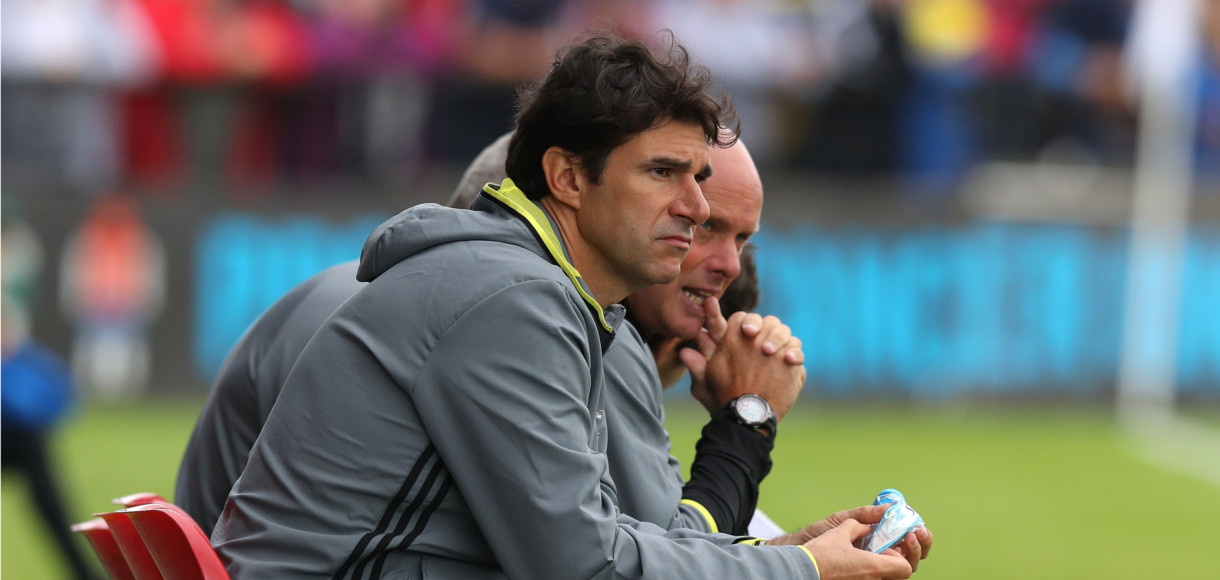
Aitor Karanka’s side have gone from playing sides such as Rotherham and Brentford to trying to keep the likes of Chelsea, Liverpool and Manchester United at bay.
As such – with an eye on self-preservation – a more conservative approach has been needed.
That, though, has limited the opportunities created for Middlesbrough’s strikers, who have been provided with far fewer of them to convert than last term.
Their attack is the feeblest in the Premier League – with 13 league goals to their name at a ratio of just 0.86 per game – and has led to only three league wins from 16 matches played.
Those numbers compared to last season – when Boro won 26 matches in finishing second and scored 63 times at an average of 1.37 per game – is paltry.
Small fish in a big pond

Rhodes was quite clearly one of the best forwards in the Football League.
His record – scoring 143 league goals between 2010/11 and 2015/16 – proves as much.
When lining up against others in the top flight, though, he suddenly seems distinctly average.
Jermain Defoe, for example, has already notched eight times and could yet fire Sunderland to another year of safety.
Salomon Rondon, too, scored a hat-trick in midweek and has been instrumental in West Brom’s surprising rise up the table.
Even Robert Snodgrass, another player who was promoted last season, has acquitted himself well – scoring five despite Hull’s poor performances.
That is without even mentioning the brightest talents in the division.
He’s not alone

Rhodes, though, is not the only striker to have encountered problems in the Premier League after much success lower down.
Patrick Bamford scored 17 and won Championship Player of the Year while at Middlesbrough in 2014/15, but has not scored a professional goal since.
David Nugent – a team-mate of Rhodes’ – has struggled at the top, too.
Since 2005/06, the 31-year-old has not failed to score 10 or more in a Football League campaign.
But he has managed just 14 top-flight goals in a total of 97 appearances.
There is hope, though.
Having dropped back into the second tier, Dwight Gayle has proved it is possible to resurrect a career having notched 16 goals in 17 appearances for Newcastle.
That is more than the 26-year-old had scored in the last three seasons combined at Crystal Palace.
But the true test of his renewed form will come with Newcastle’s inevitable promotion and a return to regular Premier League football.