


The first-person shooter game is benefiting from better coverage and could soon be the most popular eSport in the world...
Counter-Strike has always been a staple of the eSports world, even before it became a multi-million dollar industry.
The first-person shooter introduced extensive tactics and mind games to the genre that had mostly relied on mechanical skill in the early 2000’s and competitions popped up immediately.
Counter-Strike 1.6 and Source both had large – for the moment at least – competitive scenes in the early to mid 2000’s, and they were considered to be some of the biggest competitive games ever.
But Counter-Strike dropped off at the wrong time.
As League of Legends rose through the competitive game ranks and quickly established itself as the biggest eSport in the world – while at the same time Twitch revolutionised broadcasting – Counter-Strike was on hiatus.
The games were getting old and players were dropping off, meaning the old classic couldn’t compete with the shiny new wave of MOBA’s.
With League and Dota being the two main eSports, and StarCraft II not far behind, Valve released Counter-Strike: Global Offensive in 2012 hoping to re-establish the series as a serious competitive game.
Things got off to a rocky start but after a few months the competitive scene started to gain some traction.
2013 saw the first Major and the first $250,000 prize pool in CS:GO, and this is where a lot of people started to watch.
It’s no surprise that more money on offer brings in more people, but the growth that CS:GO saw after the first few majors was incredible.
Tens of thousands of viewers turned into hundreds of thousands and as result CS:GO entered the top three eSports in the world.
The prize pools continued to rise and more top eSports organisations entered the scene.
No longer were old school CS organisations the only ones with teams.
Orgs that made their name in League, Dota or StarCraft were picking up teams across the west, and bringing even more people into the scene.
2015 saw prize pools rocket like never before.
Top teams would now only travel to LANs with prize pools around the $100,000 mark, and some organisers even went as far as matching the $250,000 put up by Valve for the majors.
This is when CS:GO really started to creep into the mainstream media.
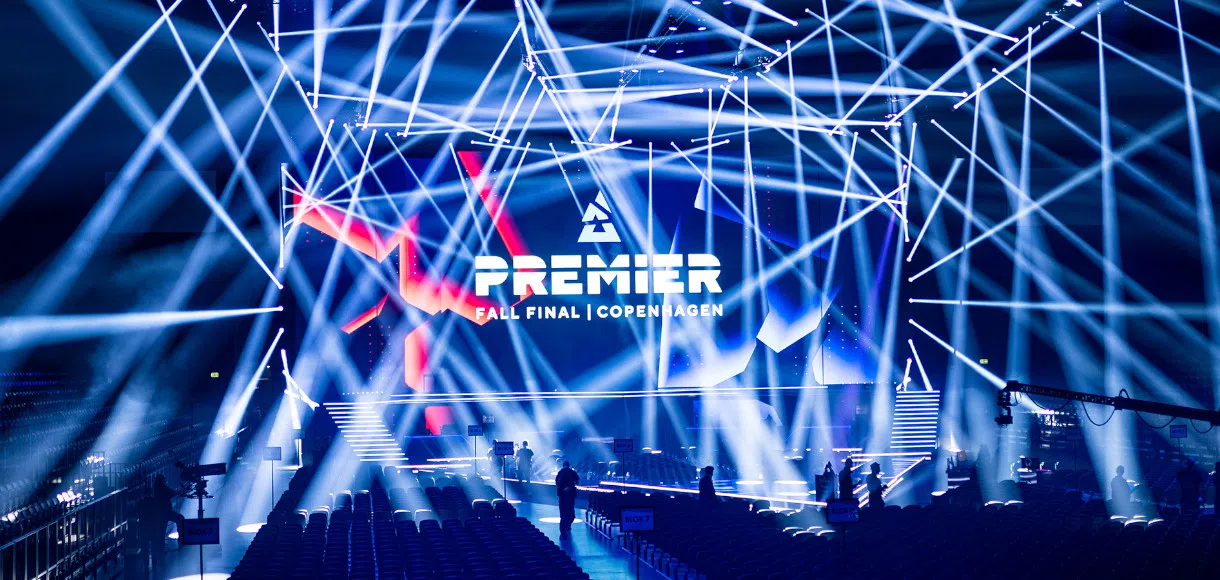
In late 2015 ELEAGUE was announced, which in a few years time will probably be looked at as the single most important announcement in CS:GO history.
Not only was this going to be the biggest competition in CS history, with a prize pool of $1.2m (which was later increased to $1.4m), it was being organised and produced by Turner Broadcasting and WME/IMG.
Having such a big mainstream brand come in – not just trying to buy their way in, but actually attempt to organise something special – was unheard of in all of eSports.
Other brands had tried to come into eSports, sometimes successfully, by sponsorship or broadcast deals, but none found the success of Turner.
It would be unfair to say that ELEAGUE’s announcement was what made the mainstream stand up and notice eSports, but it did spark a massive increase in mainstream attention.
Sky, for example, went out to IEM Katowice this year and produced a highlights show that was shown on Sky 2 in the UK.
Ginx TV rebranded as an eSports company and runs a 24/7 eSports channel after receiving heavy investment from both Sky and ITV.
Traditional media is getting involved with eSports, and a lot of that is based on CS:GO coverage due to how easy it is to watch compared to League or Dota.
Outside of broadcast TV, more brands started to come into CS:GO this year.
Mountain Dew runs its own league with ESEA, NBA team Philadelphia 76ers just purchased Team Dignitas – who have one of the best CS teams in the world – and Pepsi even launched its new Brisk Mate drink by sponsoring OpTic Gaming.
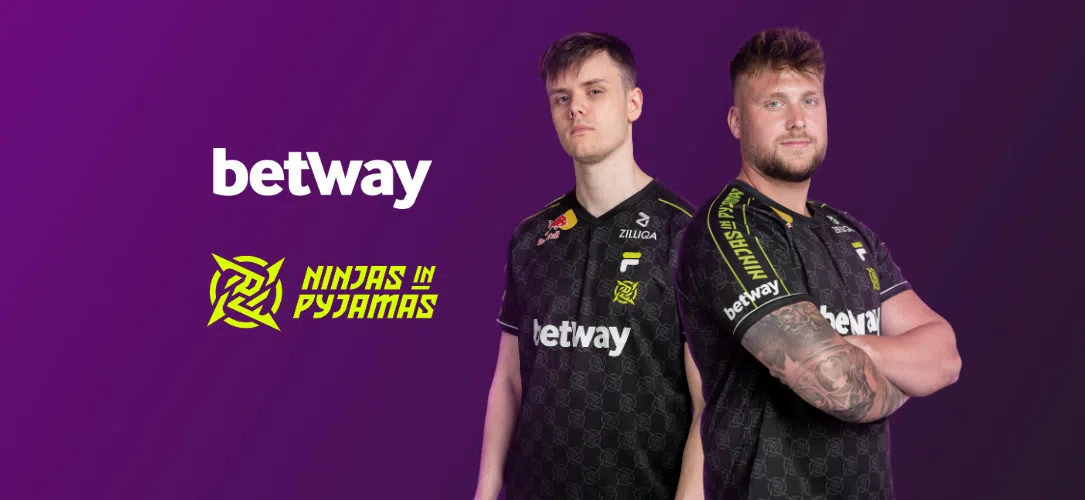
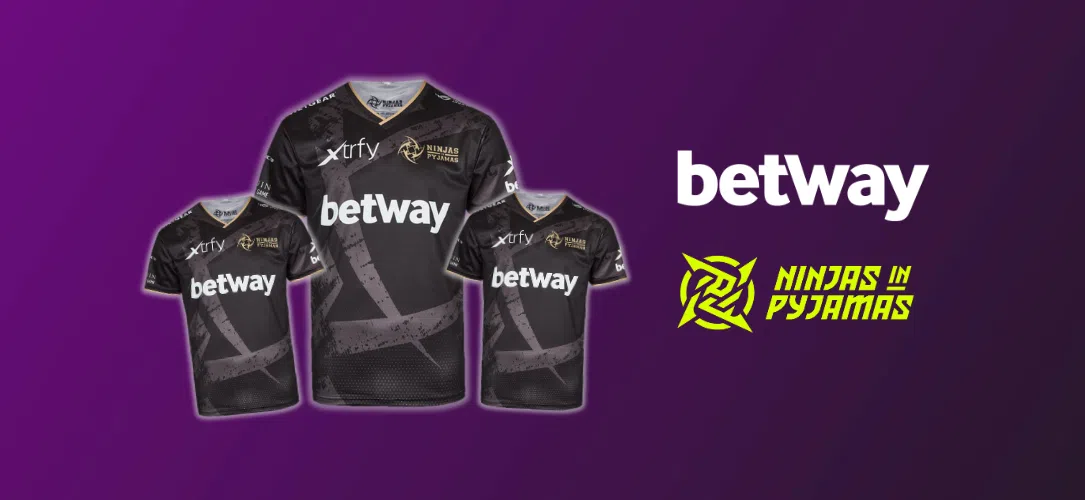
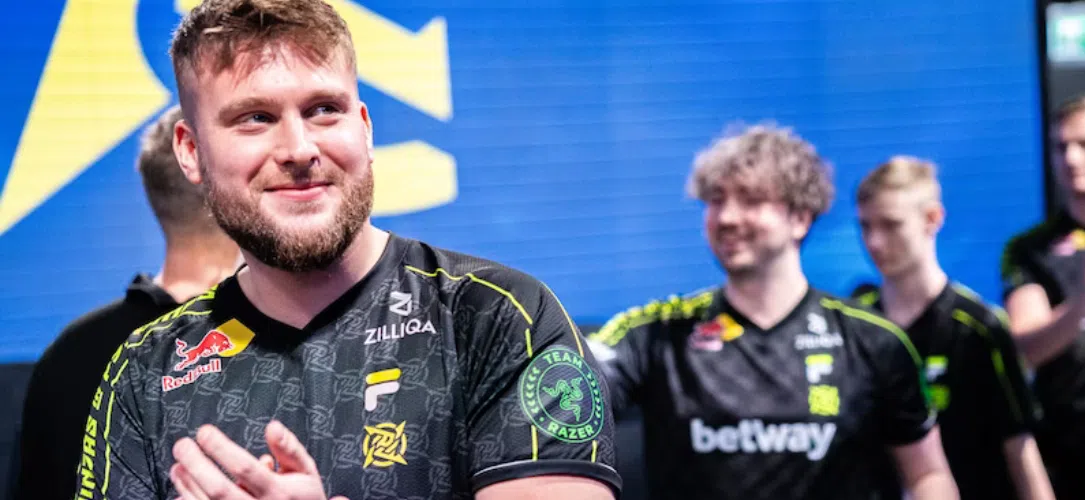
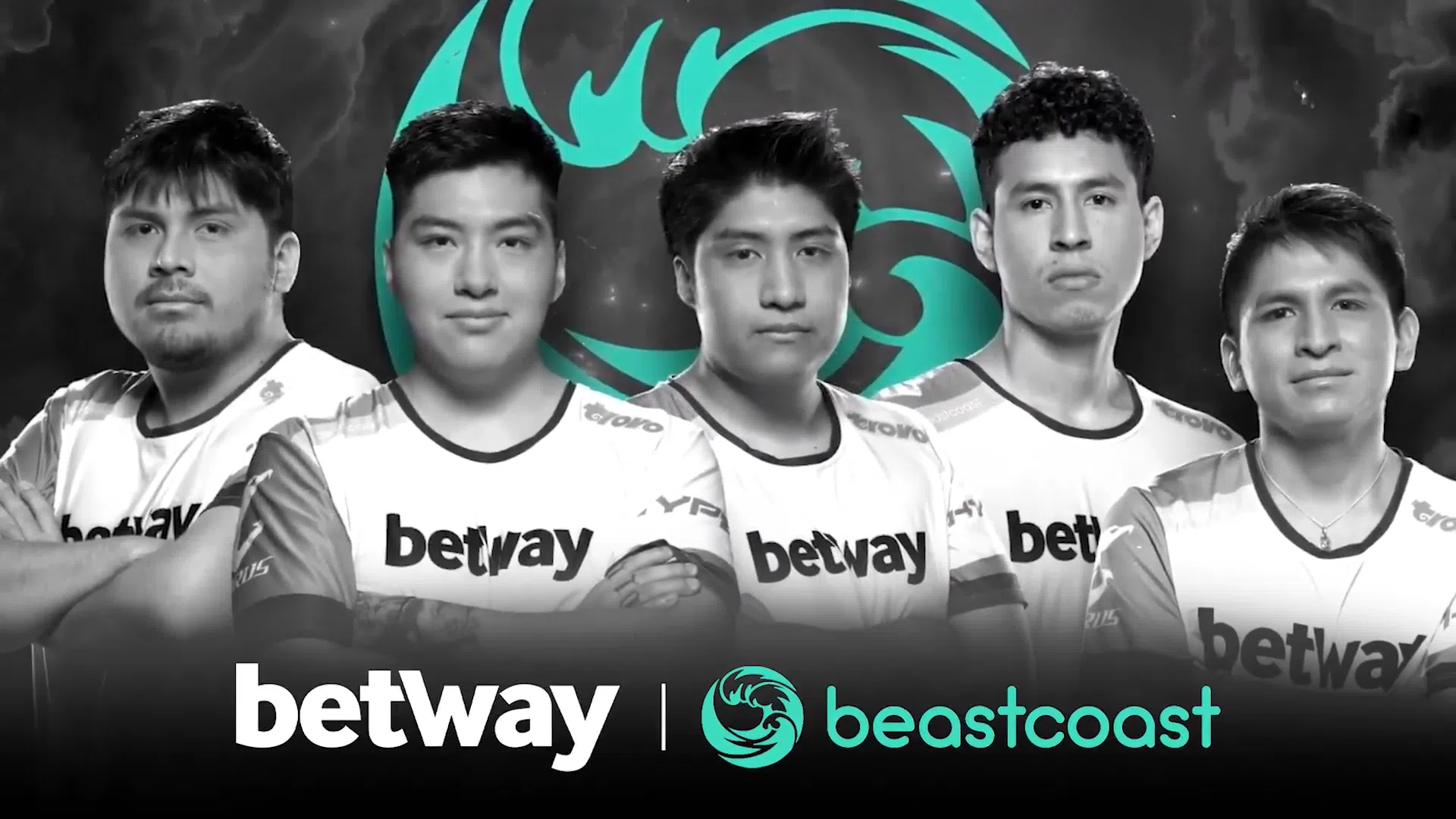
Then of course there is Betway, that’s us, who just sponsored one of the best CS:GO teams in the world – Ninjas in Pyjamas.
It now feels like a week doesn’t go by without a brand, broadcaster or other company from outside of the world of eSports announcing a new partnership or deal to get involved, and most of these revolve around CS:GO.
With ELEAGUE’s second season on the way, along with the company’s first Valve sponsored major – which now boasts $1m in prize money – next year, CS:GO looks to remain a firm fixture on US TV.
Ginx is continuing to show CS over here in the UK and with ITV backing them we could see it pop up on one of the UK’s biggest channels very soon.
Traditional sports teams, such as the 76ers, continue to get involved with eSports and it is only a matter of time before we see the big names from Europe invest in CS:GO.
Who knows, maybe one day we could see a CS:GO team kitted out in West Ham jerseys.
A big factor of CS:GO’s rise is its mainstream appeal and coverage.
ELEAGUE is a great way of getting the word out to more people, but coverage from the likes of the BBC and Sky will do wonders over here.
More big money sponsorships from major brands, like our NiP deal, will help increase the awareness of CS:GO and make sure the top teams have financial security for years to come.
The future is bright for Counter-Strike, and with more and more mainstream brands getting involved, its growth shows no sign of slowing down.
Whereas Riot is frantically trying to secure League’s long-term future and bring in more stability for teams, CS:GO already has that.
It is in the perfect spot to become the most popular eSport in the world over the next few months.