



New to the world of horse racing and looking to find out more about the jump season? Read our handy guide that covers the information you need to know, such as when the season starts and the different types of jump races.
Horse racing is one of the world’s oldest and most popular sports, combining speed, skill, and spectacle. In the UK and Ireland, it’s split into two main forms: flat racing and jump racing. The latter, also known as National Hunt racing, tests stamina and jumping ability over longer distances and challenging obstacles.
But the real question is, when does jump season start, and what do you need to know about the sport before you start betting on it? Let’s take a look and find out!
What is jump racing?
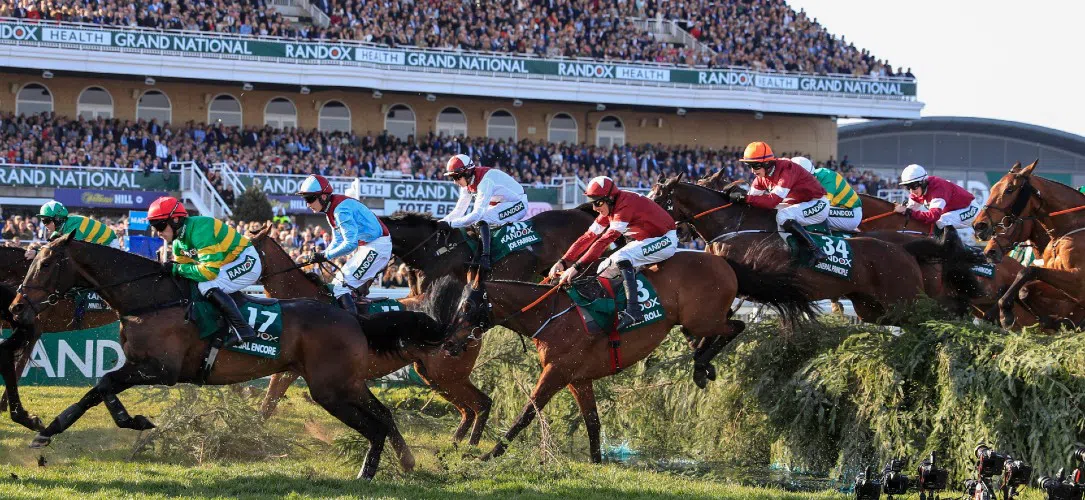
Jump racing is a thrilling type of racing in which the horses jump fences, hurdles and ditches. Unlike flat racing, it tests not only a horse’s speed but also stamina, agility and, of course, jumping ability.
Popular throughout the UK and Ireland, jump racing features a packed season of events ranging from novice contests to iconic fixtures. For fans and punters alike, it offers high drama, tactical depth, and the chance to back proven stayers or emerging stars.
Below are the answers to some frequently asked questions, including “when does jump season start?” and how to place a bet.
What is the difference between jump racing and flat racing?
The main difference lies in the course and the type of challenge each race presents. Jump season horse racing takes place over longer distances and includes obstacles such as hurdles and steeplechase fences. These races demand stamina, jumping skill, and the ability to perform over varying ground conditions.
Flat racing, by contrast, is run over shorter distances on courses without obstacles, placing more emphasis on raw speed and acceleration. While flat races are typically held in the warmer months, jump racing dominates the colder months, with its season peaking in winter and spring.
When does jump season start?
So, when does jump season start and end? In the UK and Ireland, the core horse racing jump season calendar traditionally runs from late October through to April.
The season kicks off in the autumn with early fixtures building towards major winter meetings, and it reaches its peak in spring with showpiece events like the Cheltenham Festival and the Grand National. Although some jump races take place outside these months, this period is considered the prime National Hunt season.
Examples of jump races
If you’re asking, “what is jump racing?” and really want to know your stuff, we should tell you about the several formats it takes. Each one requires different skills in both horse and rider, creating a unique experience. Here are the main types you’ll see during the season:
Bumpers
These are actually flat races run under National Hunt rules, usually over about two miles. They’re designed for young or inexperienced horses to gain racecourse experience without jumping.
Hurdles
These races feature a series of lightweight, flexible obstacles around 3.5 feet high. These events typically serve as a stepping stone for horses progressing to bigger challenges.
Steeplechases
Longer distance races with larger and more solid fences. These races often include water jumps and open ditches, which demand both stamina and precise jumping ability.
How many National Hunt races are there in the UK?
The National Hunt calendar is packed with standout events, but a few races or events have achieved legendary status for their history, prestige, and the quality of competition they attract:
Grand National
Run each April at Aintree, theGrand National is the most famous steeplechase in the world. Its challenging four miles and 2.5 furlongs course features 30 formidable fences, including iconic jumps like Becher’s Brook and The Chair. The race draws huge global audiences and is a true test of endurance, bravery, and skill.
Cheltenham Festival
Cheltenham Festival is the pinnacle of the jump season horse racing calendar. Across four days, it hosts some of the sport’s most prestigious contests, including the Cheltenham Gold Cup, Champion Hurdle, Queen Mother Champion Chase, and Stayers’ Hurdle. The event combines top-class racing with an unmatched atmosphere.
King George VI Chase
Staged at Kempton Park on Boxing Day, the King George VI Chase is one of the key mid-season targets for elite chasers. Run over three miles, it regularly attracts Cheltenham Gold Cup contenders and offers a thrilling post-Christmas highlight for racing fans.
Popular jump season predictions
Cheltenham Racecourse is considered the home of jump season horse racing in the UK. Its highlight is the Cheltenham Festival each March, a four-day celebration featuring world-class contests like the Champion Hurdle, Queen Mother Champion Chase, and the Cheltenham Gold Cup. Known for its passionate crowds and testing undulating track, Cheltenham is a true proving ground for National Hunt’s best racers.
Aintree is another jump season classic. Located near Liverpool, this racecourse is synonymous with the Grand National, the world’s most famous steeplechase. Held each April, the race attracts huge audiences both trackside and on TV. Aintree’s demanding course ensures only the toughest horses and most skilful jockeys triumph.
How to bet on jump horse racing
Betting on jump racing can be as exciting as the action on the track. Popular markets include predicting the race winner, each-way betting, forecast bets (picking the first two finishers in order), and in-play betting as the race unfolds. You can also back horses in season-long markets, such as ante-post bets on major events like the Cheltenham Gold Cup or the Grand National.
Betway offers competitive odds, secure betting and a wide range of jump racing markets to suit every type of punter. Make sure to stay ahead of the game with the Betway Sports app. Download it now from the Play Store or the App Store to enjoy live betting, real-time updates and exclusive offers right at your fingertips.