




The Analyst says that the visitors can win if they maximise their undoubted talent and target India's vulnerabilities...
India, of course, are overwhelming favourites for the forthcoming five-match Test series.
They are unbeaten in their last 13 Tests, their captain Virat Kohli cares passionately and they possess spinners who wreak havoc on tailor-made pitches.
They are hungry to avenge England’s brilliant 2-1 victory in 2012, and Alastair Cook’s side have staggered from a tricky series in Bangladesh still uncertain about their batting order and bowling line-up.
The odds are stacked against the tourists. But they should look at three areas of Indian vulnerability.
The merry-go-round of India’s opening pair has been anything but happy.
The hosts have tried five different openers in various different combinations and none has produced anything significant.
The last opening partnership to reach 100 was 24 Test innings ago – and that was against Bangladesh.
And because of injury to the most consistent opener, KL Rahul, they have now reverted back to 35-year-old Gautam Gambhir who was dumped two years ago.
So that is a genuinely weak area.
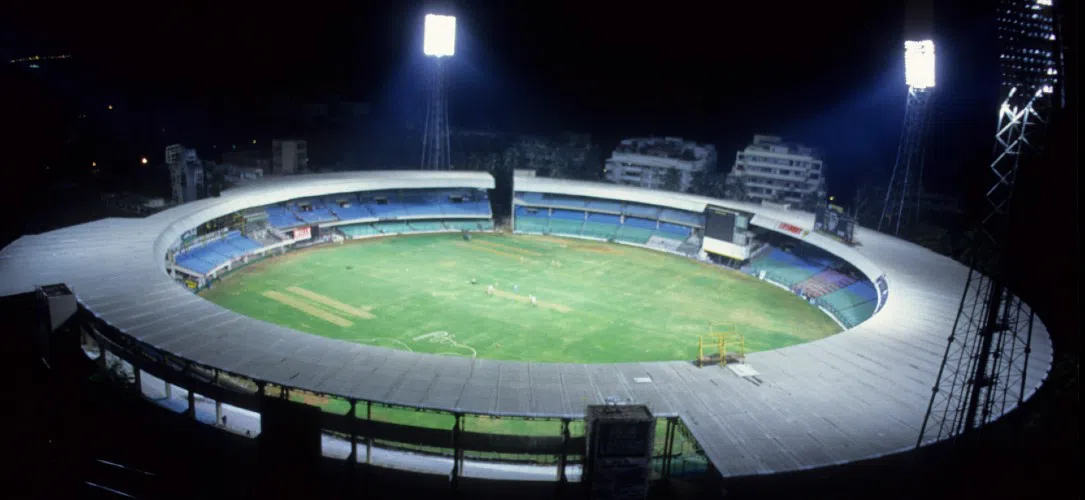
Secondly, England will look at the cracked Rajkot pitch – which becomes India’s 23rd Test venue – and notice that the conditions will be abrasive and suit reverse swing.
So Stuart Broad, in his 100th Test, Chris Woakes and especially Ben Stokes can utilise that.
The key will be to get the ball reversing before it gets too old and soft – so at about 35-40 overs – when India haven’t taken advantage England’s erratic spinners too much.
They managed that in Kolkata in the last series for a key victory.
Thirdly, India are using the Decision Review System (DRS) for the first time.
Their unfamiliarity is bound to cause a number of wasted reviews.
England have used DRS for over five years and though they squandered a couple of reviews in Bangladesh, they are generally quite smart at using the system.
It will be particularly vital because the adjustments to the parameters of DRS mean that the wicket is now 20 per cent wider for LBWs.
India’s two spinners – Ravi Ashwin and Ravi Jadeja – target the pads.
Six of Jadeja’s 14 wickets in the recent series against New Zealand were LBW.
Ashwin took 27 wickets in that series. He will focus on England’s left-handers, so they must make sure that they play him with the bat.
England, though, have sensibly elected to break up their left-handed batting sequence by giving a debut to 19-year-old opener Haseeb Hameed.
The Lancashire batsman is Alastair Cook’s 10th opening partner since the retirement of Andrew Strauss.
It is a gamble – especially as the best batting conditions in India are usually against the seamers with the new ball – although India may open the bowling with Ashwin.
Ben Duckett will bat at four, below Joe Root at three and above Moeen Ali at five.
Ben Stokes and Jonny Bairstow remain the engine room at six and seven.
There is no doubting the shot-making talent in this England side. But can they stay in?
Runs in the first innings are absolutely vital. Cook made three centuries in the 2012 series and England passed 400 in the first innings of both Tests they won.
He honed a risk-free method of reading the length perfectly and scoring mainly with sweeps and cuts.
In the Test when he becomes England’s most capped captain, he must lead the way – and he believes that batting will be easier in India than on those capricious surfaces in Bangladesh.
But he needs support from someone other than Joe Root.
For England to compete, this is the series when Moeen needs to sell his wicket more dearly, and Stokes must continue the rapid strides he made as a batsman in Bangladesh.
England must be proactive with the bat, but not reckless.
Can they pull it off? It’s unlikely. But not impossible.