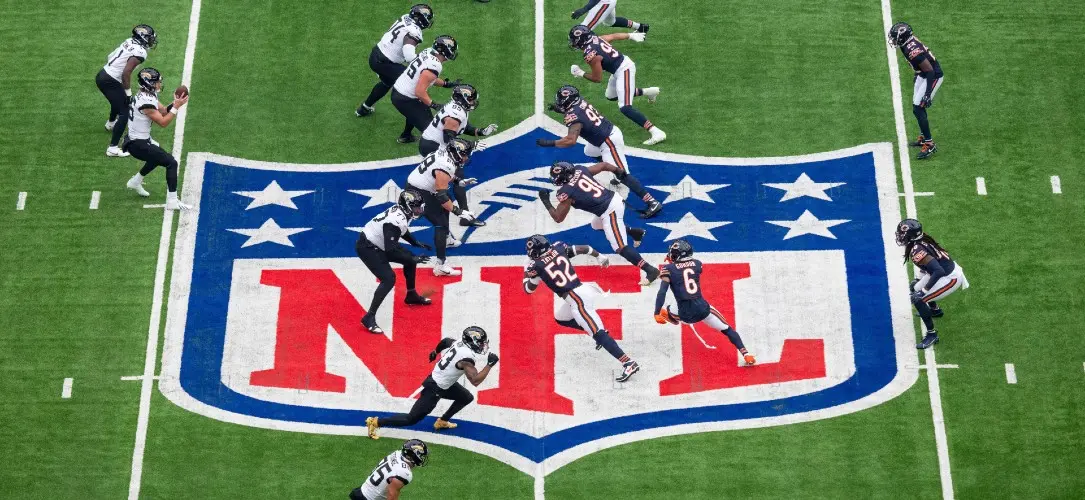
From icy tundra grudge matches to coast-to-coast playoff wars, these are the clashes that define professional football.
The National Football League is powered by passion, and nothing fuels it quite like a rivalry. From snow-dusted divisional grudge matches to coast-to-coast playoff wars, the greatest NFL rivalries carry decades of pride, iconic moments, and era-defining stars that reshape how fans understand the game itself.
Here, we break down some of the biggest rivalries in NFL history, including the Green Bay Packers vs Chicago Bears, Pittsburgh Steelers vs Baltimore Ravens and Dallas Cowboys vs Philadelphia Eagles.
Iconic NFL Rivalries Through the Decades
Some clashes are built on longevity and identity. The Green Bay Packers vs. Chicago Bears is the league’s oldest series, a Midwestern epic stretching back to 1921 and played over 200 times. It has produced Hall of Famers in virtually every era: Bronko Nagurski and Don Hutson in the early decades, Dick Butkus and Ray Nitschke in the 1960s, Walter Payton and Brett Favre through the 1980s and 90s, then Brian Urlacher and Aaron Rodgers into the modern game. The rivalry is less about offense than identity. Showing up at Lambeau in a Bears jersey, or at Soldier Field in green and gold, means something that box scores cannot capture.
In the AFC North, Pittsburgh Steelers vs. Baltimore Ravens set the modern standard for physical intensity. Troy Polamalu and Ed Reed patrolling deep, James Harrison and Terrell Suggs hunting quarterbacks, and head coaches Mike Tomlin and John Harbaugh trading chess moves on the sideline built a rivalry where the margin for error is nearly nonexistent. Since Baltimore’s expansion in 1996, the two franchises have combined for six Super Bowl wins and repeatedly shared the division’s top two spots simultaneously.
Era-defining moments elevate these matchups beyond their final scores. The 1967 Ice Bowl, played at minus 13 degrees at Lambeau Field, sent Bart Starr and the Packers to Super Bowl II and permanently embedded Cowboys vs. Packers in NFL folklore. The 1981 NFC Championship, “The Catch,” launched San Francisco vs. Dallas as the defining rivalry of the following decade, culminating in back-to-back NFC Championship Games in 1993 and 1994 before the 49ers finally broke through. Closer to home in the NFC East, DeSean Jackson’s walk-off punt return touchdown against Philadelphia’s rivals with zero seconds on the clock in 2010 is the kind of moment that sustains a rivalry across generations.
The Patriots vs. Colts thread, more specifically Brady vs. Manning, was less a team rivalry than a recurring national referendum on what kind of quarterback you believed in. Brady won the head-to-head matchups more often, particularly in the post season, but every game produced its own storylines and debates. Their final playoff meeting in the 2015 AFC Championship, with Manning’s Broncos prevailing and advancing to Super Bowl 50, provided one last chapter in a story that defined the sport for fifteen years.
What Makes a Great Rivalry Game?
Divisional stakes are the spark. Teams meeting twice a season build deep familiarity, and marginal tactical edges matter enormously. Power running attacks against speedy defensive fronts, press corners against precise route-runners, blitz-heavy schemes versus quick-game passing offenses. Style clashes make for compelling viewing, especially when a run-first offense tests a defense built around finesse and athleticism.
Home advantage amplifies everything. A winter trip to Lambeau, Buffalo, or Soldier Field fundamentally changes play-calling and ball security priorities. Wind affects deep passes and field goal range. Timing matters too. Early-season results set divisional tiebreakers that may not surface until January. Late-season deciders shape playoff seeding and survival. Prime-time slots add pressure. The same matchup in Week 3 and Week 15 carries entirely different stakes, and coaching staffs prepare accordingly.
The greatest rivalries endure not because of who wins, but because each generation adds new protagonists and fresh stakes to stories that never fully resolve.
Betting Markets to Look Out for in NFL Rivalry Games
NFL rivalry games often create unique betting opportunities. Emotions run high, players are extra motivated, and teams are usually more familiar with each other’s strengths and weaknesses. While every matchup is different, there are a few NFL betting markets that punters regularly focus on when rivalry week comes around.
Point spread betting: Often one of the most interesting markets in rivalry games. Historic rivals tend to play each other closely, even when one team appears significantly stronger on paper. Before placing a spread bet, look at recent head-to-head meetings and each team’s record against the spread (ATS) in rivalry games. These trends can provide valuable insight into how teams perform when facing their biggest rivals.
Over/Under betting: Some rivalries consistently produce defensive battles, while others regularly turn into high-scoring games. Understanding the history of a particular matchup can help bettors identify whether the posted total looks too high or too low.
Prop bets: Player props are particularly popular during rivalry games because star players often take centre stage. Markets may include quarterback passing yards, passing touchdowns, rushing yards and receiving yards. Rivalry games can often lead to increased usage for a team’s biggest playmakers, especially in important divisional contests.
Moneyline betting: While favourites often attract the majority of bets, rivalry games have a history of producing unexpected results. Teams that have struggled throughout a season can still raise their level against a long-time rival, creating potential value on underdogs. Many bettors specifically target rivalry games when looking for upset opportunities, particularly when the public heavily favours one side.
NFL Rivalries to Watch This Season
Divisional matchups with genuine playoff consequences are the games to circle. Steelers vs. Ravens remains essential viewing every time these teams meet. Defense and special teams tilt the margins in this series at a higher rate than almost anywhere else in the league, and when the gap between the franchises is close, the games become coin-flip affairs that no pre-game spread can fully capture.
Eagles vs. Cowboys could shape the NFC’s top seeds, matching Philadelphia’s trench power against Dallas’s desire to generate explosive plays through the air. 49ers vs. Seahawks maintains its edge as Kyle Shanahan’s motion-heavy offense tests Seattle’s elite secondary, while Packers vs. Bears gains fresh storylines with Jordan Love and Caleb Williams as the new protagonists. Young quarterbacks in rivalry games historically face above-average pressure rates, which makes the offensive line development on both sides one of the most important subplots to track.
Rivalry | Why it matters | Key matchup to watch |
Steelers vs. Ravens | Two defensive powerhouses in a division that is always competitive | The Ravens’ elite rushing attack facing one of the NFL’s toughest D-lines |
Eagles vs. Cowboys | Two of the NFL’s most popular teams with massive fanbases | Can Dallas’ defensive line overcome Philly’s power in the trenches? |
49ers vs. Seahawks | Scheme chess match in the NFC West between two great head coaches | SF’s motion and misdirection vs. Seattle’s coverage disguise |
Packers vs. Bears | Historic rivalry between two storied franchises with playoff hopes | Which QB can avoid turnovers and get the ball to its offensive playmakers? |
Outright NFL Rivalry Odds
Now that you know some of the biggest rivalries the NFL has to offer, you can find out exactly how they match up in the outright NFL betting odds. The odds for each matchup are revealed once the season starts, but in terms of how their chances of winning the Super Bowl compare, some rivals may be closer than others.
Team | Super Bowl Odds |
| Super Bowl Odds | Team |
Pittsburgh Steelers | vs | Baltimore Ravens | ||
Philadelphia Eagles | vs | Dallas Cowboys | ||
San Francisco 49ers | vs | Seattle Seahawks | ||
Green Bay Packers | vs | Chicago Bears |
These odds can fluctuate throughout the season based on factors like injuries and performance so it is always worth keeping an eye out when it comes to a game day between rivals.
What Decides a Rivalry Game?
The best rivalries are ultimately decided by coaching as much as talent. When two rosters are close in quality, which is almost always true in divisional play, the game plan and its in-game evolution carry the weight. Offensive coordinators who can handle bracket coverages, hot-route checks against heavy blitz packages, and third-down conversion plays against defenses that have prepared specifically for them tend to win these games more consistently than those relying on raw talent alone.
Teams that self-scout effectively between meetings steal possessions with scripted openers targeting known tendencies, tempo shifts that exhaust the opponent’s personnel groupings, or a fourth-down conversion attempt at a moment when both the probability and the context support the gamble. Playoff implications also arrive sooner than most fans realize. A mid-season sweep can settle a tiebreaker months before January. A December win at home can lock a seed and force an opponent to travel in winter weather. One statement victory can reshape a locker room and alter the psychological dynamic heading into the postseason.
Why NFL Rivalry Games Are Different for Bettors
It can often feel like there is more at stake than just a win or loss when watching an NFL game between rivals, but why exactly are these rivalry games different for bettors?
While season-long form and statistics still matter, these matchups tend to bring an extra level of intensity. Players, coaches, and fanbases place added importance on beating a familiar opponent, which can lead to performances that don’t always reflect recent results. That’s what makes rivalry games are both exciting and challenging for bettors. Teams that have struggled throughout the season can raise their level against a historic rival, while favourites may find themselves in a much tougher contest than the betting line suggests. The familiarity between opponents also reduces the element of surprise, often leading to closer games and tighter margins.
For bettors, it pays to look beyond the standings. Factors such as recent head-to-head results, divisional history, injuries, roster changes, and even revenge narratives can all influence the outcome. Rivalry games are often among the most heavily bet matchups of the season, creating opportunities for value if you can identify when emotion and public perception have pushed the odds too far in one direction.
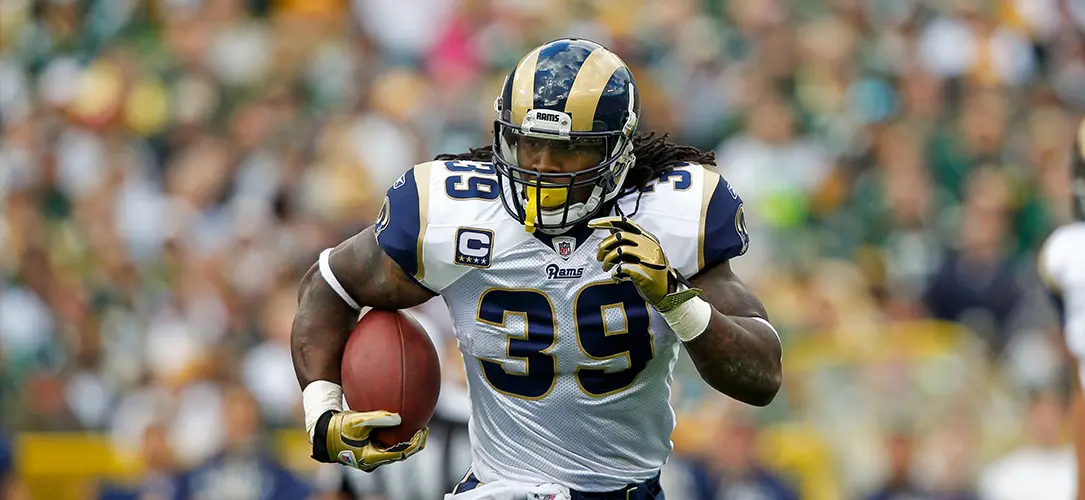
Take the LA Rams, for example. With the current NFL betting odds favoring them in Super Bowl 61 – 7/1 , any slip-up against a rival could flip the script entirely.
Ultimately, NFL rivalries are unpredictable by nature, making them some of the most fascinating games on the betting calendar. While that volatility brings added risk, it can also create unique opportunities for bettors willing to dig deeper than the headline statistics.
NFL Rivalries FAQ
Which NFL rivalries are considered the greatest of all time?
A consensus shortlist includes Packers vs. Bears for historical longevity, Steelers vs. Ravens for modern physical intensity, Cowboys vs. Washington and Cowboys vs. 49ers for era-defining playoff stakes, Giants vs. Eagles for proximity and consistent drama, and Patriots vs. Colts as the defining inter-divisional rivalry of the Brady-Manning era. Most historians would place at least four of those five in any top-10 list.
Why do divisional games tend to be tighter than non-divisional matchups?
Familiarity creates a different kind of preparation intensity. Teams meeting twice a season build detailed scouting files on personnel groupings, play-call tendencies, and individual habits. Rosters are sometimes constructed specifically to address divisional stylistic challenges over multiple offseasons. Late-season divisional games, in particular, tend to feature tighter margins and more volatile outcomes than pre-game lines suggest.
What patterns emerge from rivalry game odds history?
Across the matchups in this article, totals in defense-first rivalry games (Steelers vs. Ravens, Cowboys vs. 49ers in recent postseason meetings) have tended to land under the opening number. Road favorites frequently fail to cover against divisional opponents with home-field motivation. And postseason matchups between familiar rivals tend to be priced more efficiently than regular season games, as the market has more data to work with. Home underdogs in rivalry games have historically covered at above-market rates, which analysts attribute to motivational factors that season-long efficiency models do not fully capture.
Do weather and venue matter more in rivalry games?
Yes, and at specific venues it is measurable. Lambeau Field in December and January has a meaningful historical correlation between wind speeds above 15 miles per hour and under cashing. Soldier Field and Highmark Stadium present similar conditions. These factors are generally reflected in opening lines, but significant weather changes within the week often trigger meaningful closing line movement that tends to follow the sharp side of the market.